
Winkles
Life elixir; Holding on, thriving in mid tides; Gather, cooked, enjoy

I am and always will be an unwilling camper. Although my dear wife keeps reminding me that I am a very good camper and tries far too hard to make sure that we are as comfortable as possible during our annual group camp in West Wales. This year was no exception, after 2 nights of my body rigid sleeping, being awoken by the rattling of my irregular snoring and trying to ignore the growing need for an early morning toilet visit. Together with many other camping factors that rapidly stir me closer and closer towards hitting my camping wall, only aided by an Ibruprofen to soften the stiffened muscles.
After two nights of uncomfortable sleep and surrendering to the mild hangover from consuming a fine array of craft beers distributed within the camping group, the obvious strategy to spend good quality family camping time is an on mass declaration of our favourite specific spot at the beach with a numerous assortment of floating devices. In the blink of an eye, a beer in hand, with parental pride watching our kids fearlessly throw themselves off the rock ledge into the deep river pool.
First morning breakfast camping scene.
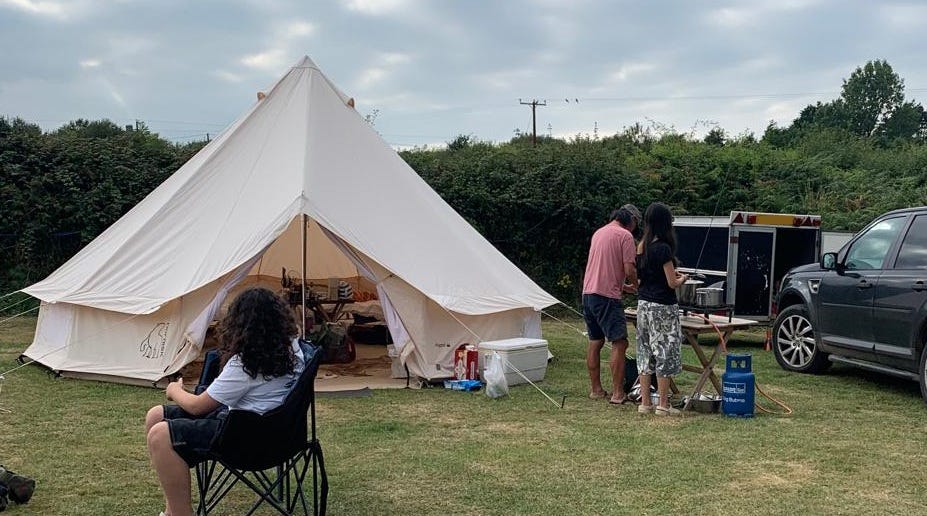
This year, because of the heatwave, I bravely displayed my Asian two tone body to my fellow campers. My beautifully tanned arms and lower legs to a classic Mediterranean sun blessed colouring, only to be boldly contrasted by my pasty pale Asian body, I was a human beacon on the beach.
To me, any marine environment north of 18 degrees and 35 minutes latitude is too cold to swim in, so, I escaped with my net and bucket to the rocky edges of the river to forage for winkles and small brown shrimps, to the knowing and adoring gaze of my wife. She knows I am much better off foraging than getting progressively reddish brown from the beers and searing sun on an exposed sandy beach.
I love foraging for winkles, where ever possible when I travel for meetings in UK. I do tend to pitch my meeting venues near the coast when I can, especially those locations that provide the best environment for foraging good quality winkles. I always make time to do a quick forage, to cater a couple of handfuls of this sustainable offering from the sea.
Based on research of articles available on the internet, winkles are considered a delicacy and a highly nutritious food. They are low in calories and rich in protein, making them an excellent choice for those looking to manage their weight or increase their protein intake. Additionally, winkles are a good source of omega-3 fatty acids, vitamins, and minerals, including iron, zinc, and potassium. Their nutritional profile is comparable to that of other shellfish, such as mussels and clams, but with the added benefit of being lower in cholesterol.
There are many articles declaring that the humble winkle is packed full of antioxidants that can protect against cell damage, therefore winkles can potentially help reduce the risk of developing neurological diseases such as Alzheimer’s disease and Dementia. Of course these claims are yet to be proven. But, to me, the proclaimed benefits are ancillary to the pleasure of eating winkles.
My wife married me knowing my love and sometime excessive tendency for eating winkles, whelks and other edible sea snails. She relishes the opportunity to remind me, in front of the family, about my excessive consumption of Winkles and Cockles about 20 years ago. I brought them from Swansea Market, 3 kilos of winkles and 3 kilos of cockles. I enthusiastically, washed and steam them as a Saturday nibble with a chilled glass or two of Muscadet. From what I can remember, the metabolic rejection point was about the 4 kilo mark, maybe it was the wine, not the noble Winkles and Cockles! After a short rest and a cup of warm water, I finished the remaining 2 kilos.
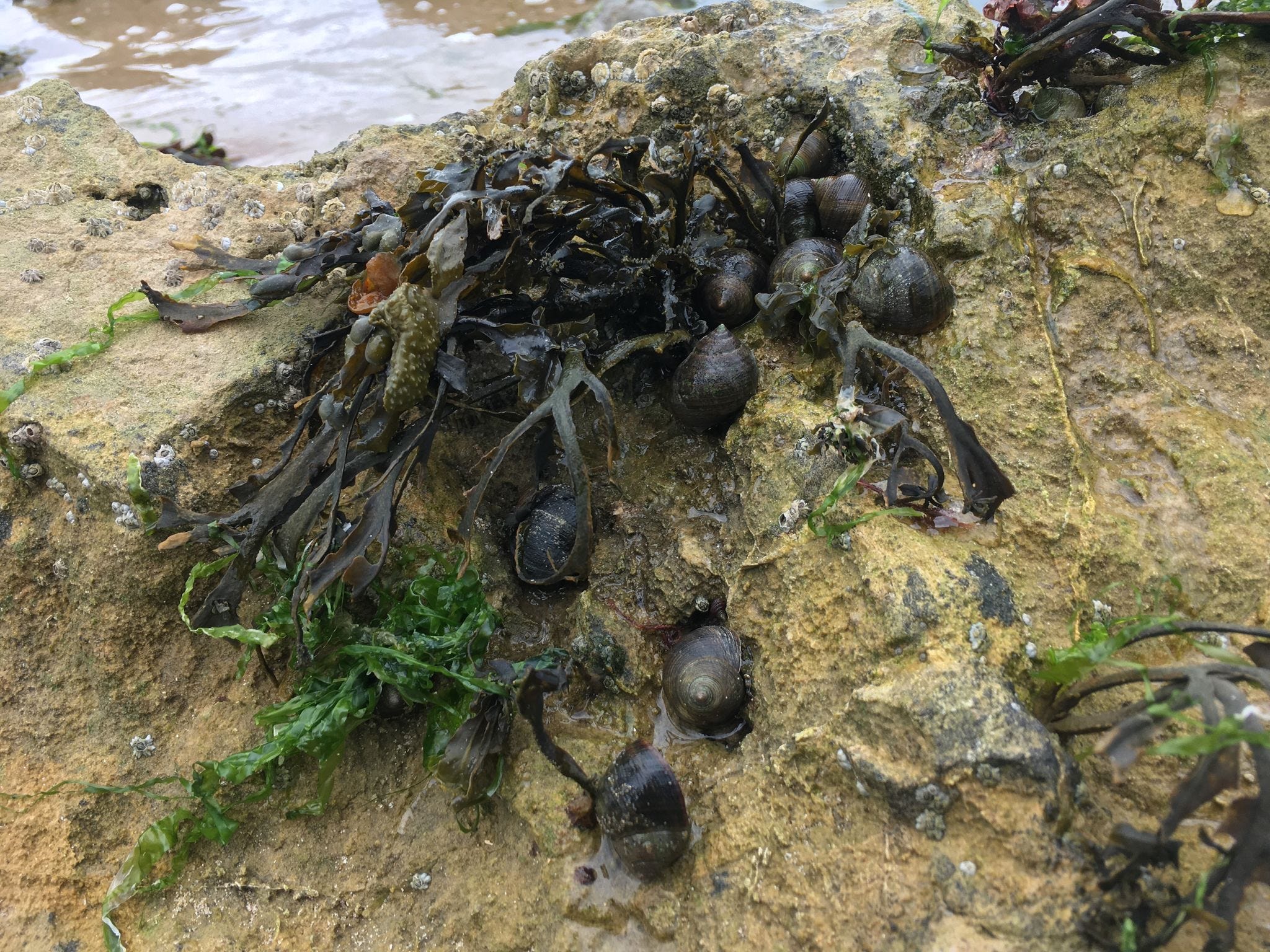
I gathered about 1.5 kilos of winkles from a recent family beach day, and got there just in time, during the return of the tide. I washed and boiled them in a 1.5 litres pot with 50g of kosher salt for about 10 minutes. Then quickly drained and allowed them to cool with the lid on. The winkles at room temperature is the easiest to extricate them intact from the shell.
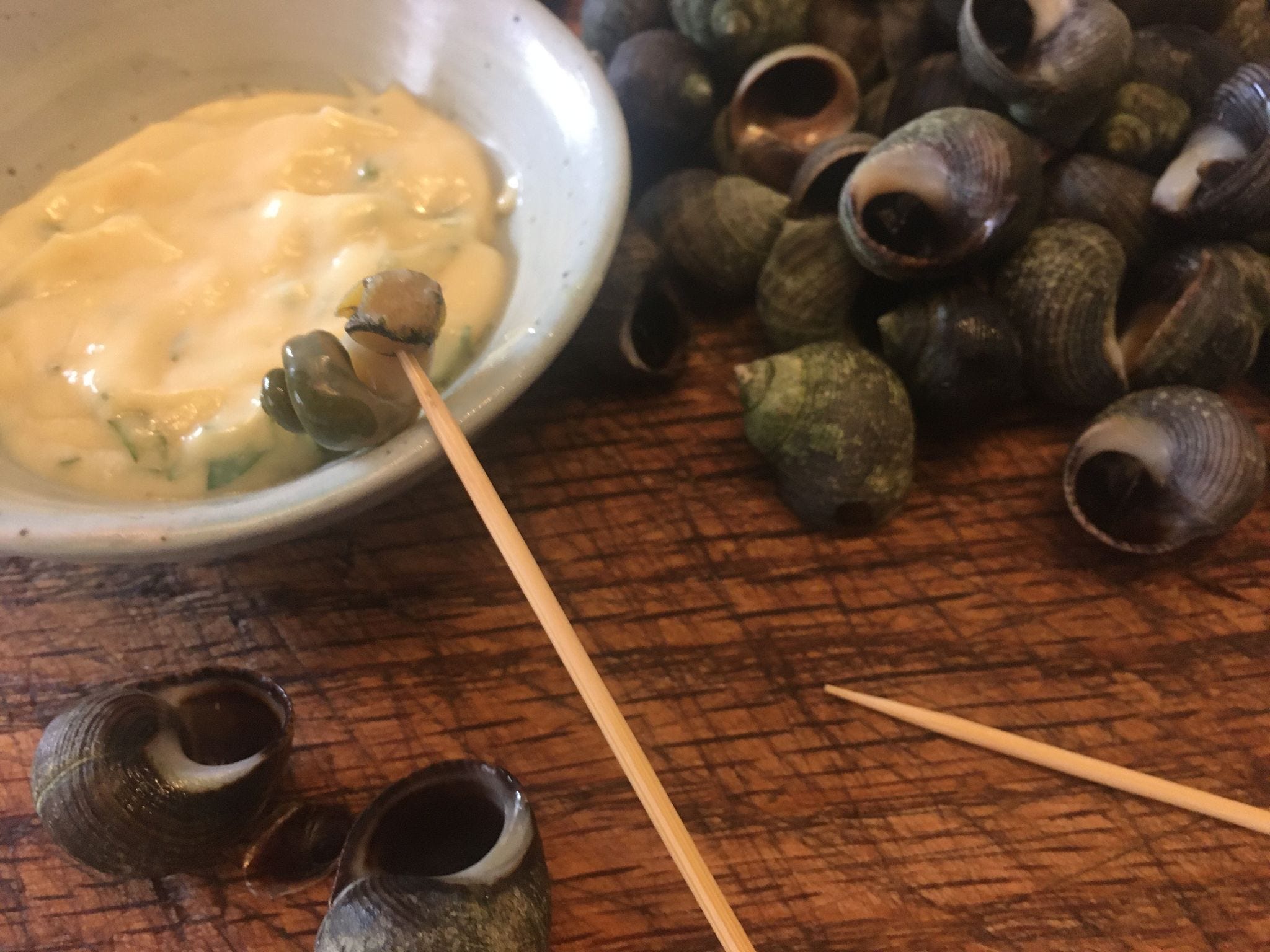
To accompany the winkles, I whipped up a quick Hollandaise Sauce for the added joy in dipping each morsel into the wonderful buttery silkiness. It is well worth the effort of making fresh Hollandaise Sauce for practically everything !
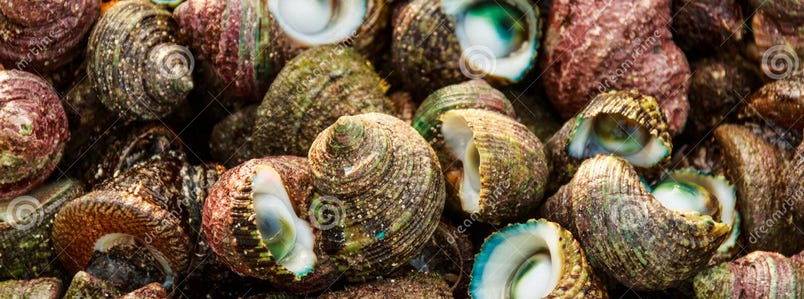
A nostalgic dish from the Old Home is Steamed Savoury Egg Custard of Turban Shell, at the spring tides events in Hong Kong, Mum and a few ladies from the village would travel to their sea foraging spot, about a 1 hour bus ride away. Armed with a hand-held pick and a bamboo basket they timed their arrival perfectly to descent down the beach and follow the tide down to the low spring tide mark. They gently scrape the muddy sand to gather Asian Clams (Corbicula Fuminea) and on the rising tide, gather Turban Shells on the mid-low tide rocks. I would wait for the bus to arrive and escorted Mum with her basket of clams and shells, with many questions about the foraging event and patiently de-shell the poached turban shells for the steam egg custard dish for dinner that night.
Below is the stock photo of similar type of Turban Shells my Mum gathered.
To replicate Mum’s dish, I thawed some of the shelled winkles I gathered during our last beach day in Swansea. For about 100g of winkle meat, use two mid to large eggs, 200ml of cold water, 1/2 teaspoon of white pepper, 3/4 teaspoon of sea salt and 1 whole spring onion chopped, all as shown below.
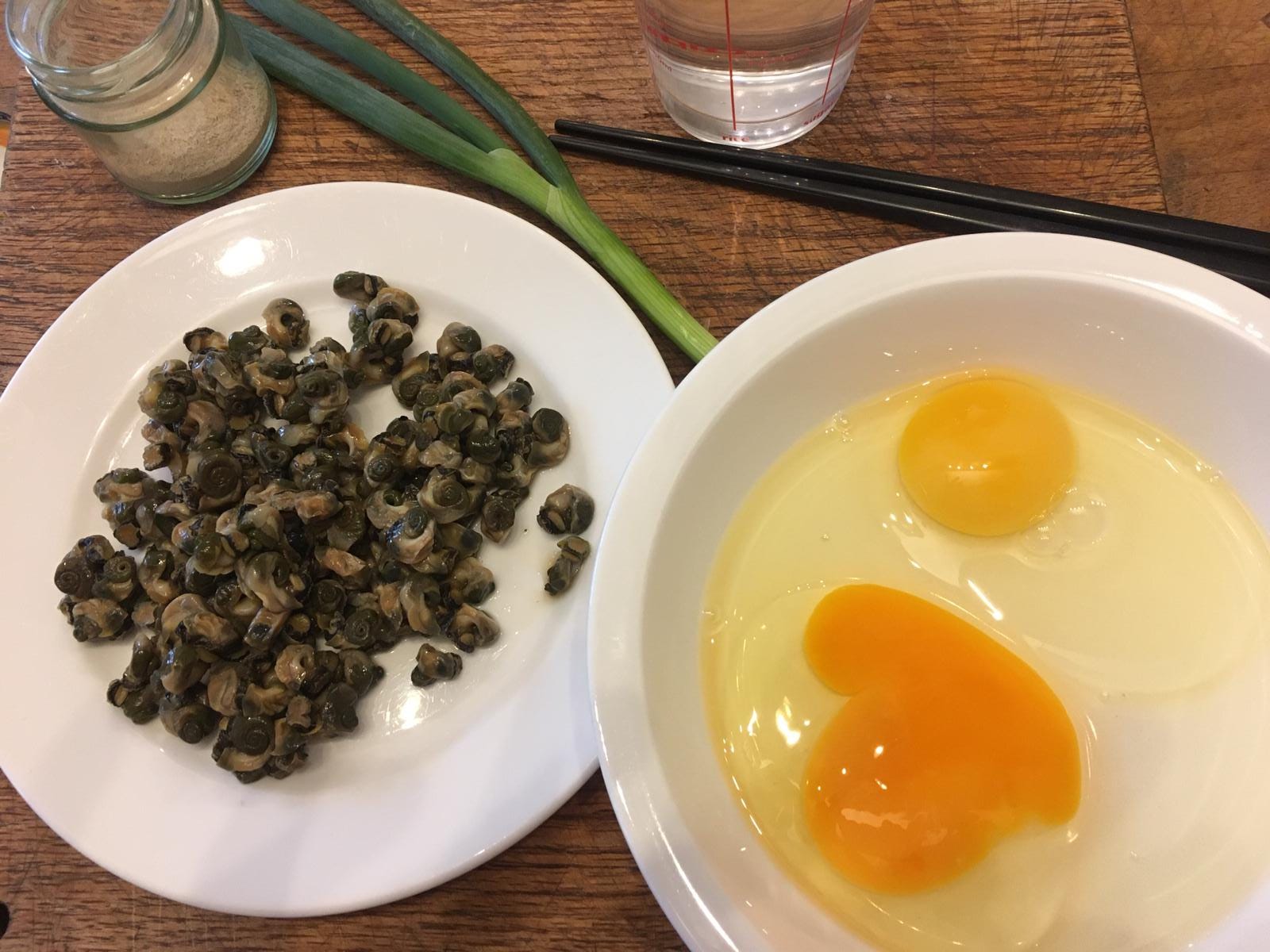
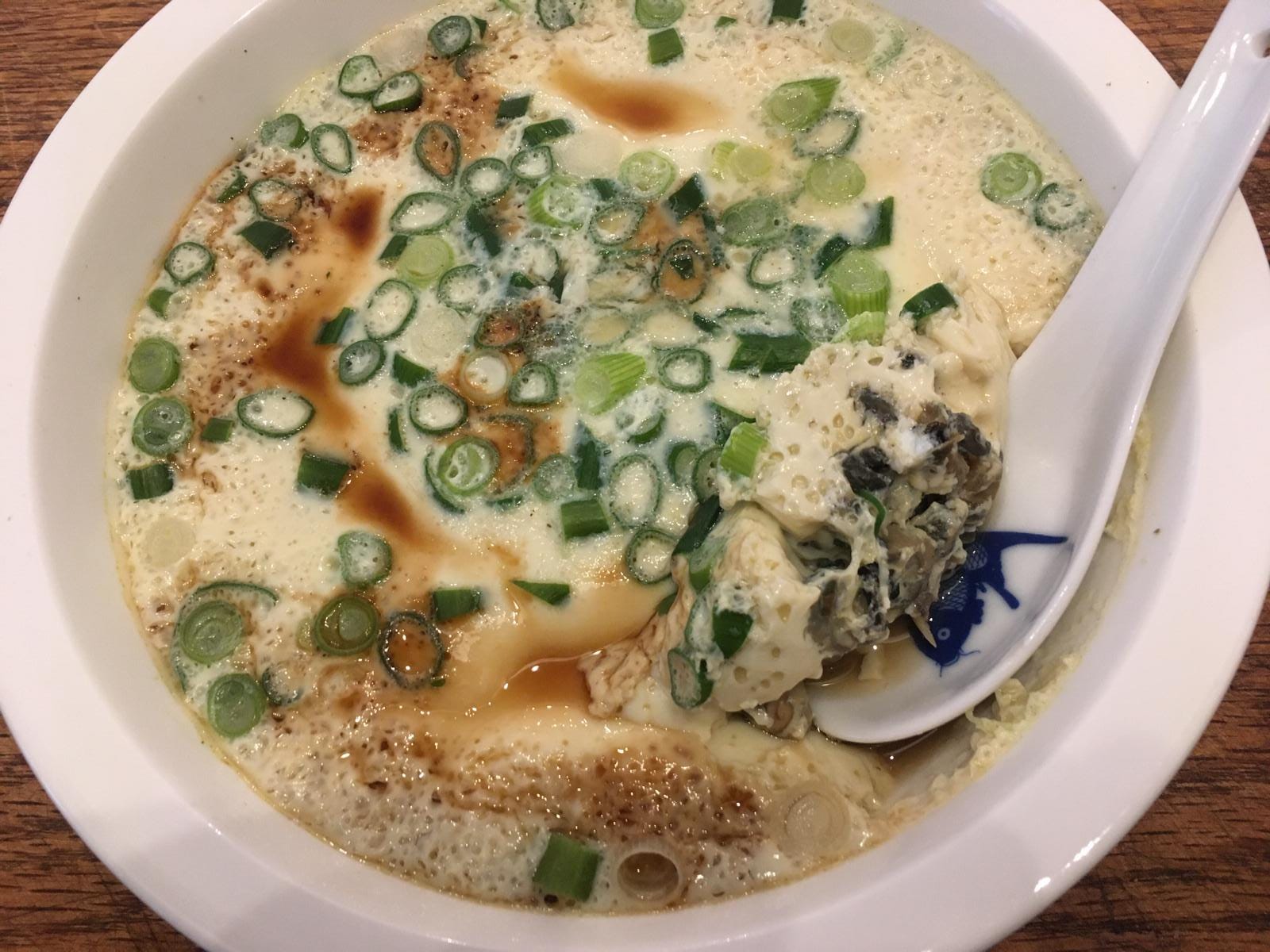
Simply beat the ingredients together well in a deep dish and then carefully put them inside a hot steamer, to steam for 15 minutes. Remove from steamer and drizzle soy on top to enhance the soft egg custard with a salty note. I cooked this dish last week and my wife and I enjoyed it simply with boiled rice with soft scoops of umami rich egg custard, it contrasts with the slightly firm bits of winkle meat.
The steamed savoury egg custard dish is a true representation of frugal eating, similar to the Japanese version of steamed savoury egg ‘Chawan Mushi’, where an egg can be bulked up to three time its volume to create a more full filling dish for a family table, such that, a couple of eggs can go a lot further in a meal. The savoury egg custard in my young day is a weekly staple to supplement the dinner dishes, often pair with dried shrimps and dried clams which were also my favourite, however the version with salt pickled turnip was a bit challenging.
A highly notable fact, as told to me recently from a well travelled family friend, is that the Hastings Winkle Club celebrated their 125th anniversary on the 12th July 2025. With a little bit of immediate research; the Winkle Club is an internationally famous charitable organisation formed by Hastings fishermen to help the less fortunate families of Hastings Old Town. The club’s headquarters, located at East Hastings Sea Angling Association The Stade, Rock-A-Nore Road, Hastings Old Town TN34 3FJ apart from some specially selected local residents.
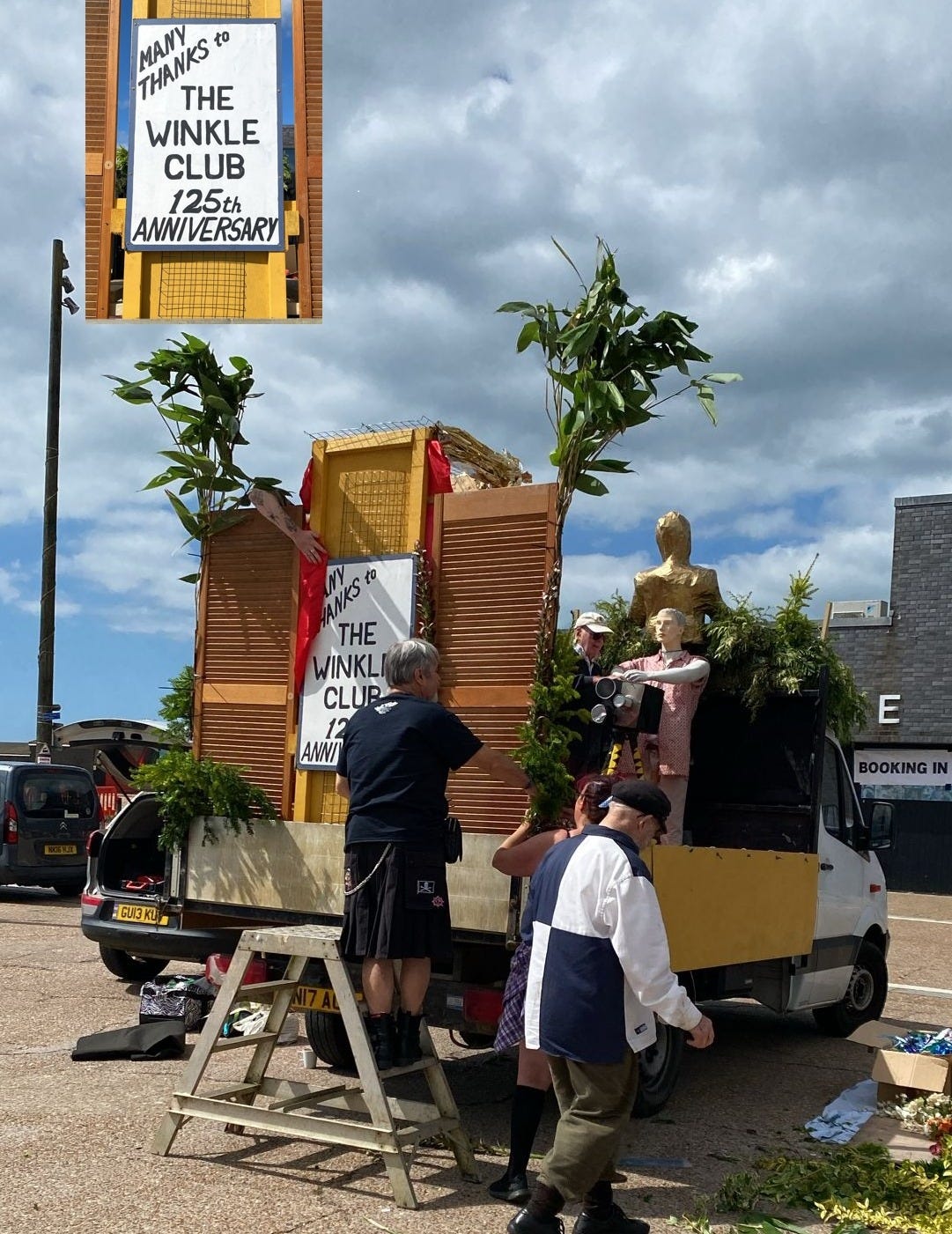
Winkle Club members have included a few very illustrious personalities such as Lord Montgomery, Sir Winston Churchill, the Duke of Windsor and many others. It just goes to show that the humble winkle transcended gastronomy and firmly established itself as a symbol of positive social and community impact over a century, by those who cared.
Some important points to note. To ensure that Winkles are safe to eat, it is crucial to consider two key factors. First, the source of the winkles is paramount. Winkles harvested from polluted waters or areas with high levels of industrial activity may contain harmful substances. It is essential to choose winkles from reputable sources, such as licensed fisheries or well-managed aquaculture farms. Second, proper handling and storage are critical. Winkles should be kept alive until they are cooked, and they should be stored in a cool, well-ventilated area to prevent spoilage.
I don’t like winkles. But this story is delicious… one of the best yet old bean